

Key takeaways
- IBM estates become hard when metrics, tooling, and deployment reality are not kept aligned.
- PVU and VPC questions are governance questions, not just licensing math.
- Container and cloud deployment choices can materially alter the review path.
- Tooling evidence matters because the defensibility of the position can depend on it.
- IBM cost and compliance reviews should be run together, not sequentially.
IBM complexity is often underestimated because the estate can look modest at first glance. But once you account for metric type, infrastructure model, evidence tooling, and support obligations, the review quickly becomes specialist work.
The 4 areas to focus on
PVU
Processor Value Unit models require disciplined infrastructure understanding and measurement.
VPC
Virtual Processor Core models need a reliable view of where and how software is deployed.
ILMT / evidence
Measurement tooling and evidence management are part of the commercial posture, not an afterthought.
Containers and cloud
Hybrid deployment can change assumptions faster than traditional governance catches up.
Questions to answer early
- Which metric family applies across each product family?
- Is the current deployment model aligned with the metric logic?
- What tooling or evidence supports the measured position?
- Where have cloud or container initiatives changed the footprint?
- How much annual spend is tied to estates with unclear measurement discipline?
A good IBM review pack
| Component | Purpose |
|---|---|
| Product and metric map | Clarifies which products are under which measurement logic. |
| Deployment topology | Explains how the estate actually runs. |
| Evidence model | Shows how the position was measured and what tool records exist. |
| Support baseline | Quantifies the ongoing cost of the current position. |
Bottom line
IBM reviews reward discipline. When the measurement model, tooling evidence, and deployment reality are kept aligned, complexity becomes manageable. When they drift apart, the estate gets expensive quickly.
Quick FAQ
Who is this article for?
ITAM leaders, sourcing teams, software asset managers, procurement stakeholders, and advisors dealing with ibm-related decisions.
Detailed PDF guide
Download the full guide
The web article gives you the concise view. The PDF includes deeper analysis, visual timelines, flowcharts, checklists, and practical review steps.
What should I do next?
Use this article to sharpen your internal brief, then submit an initiative or reach out if your team needs specialist help.
Related insights
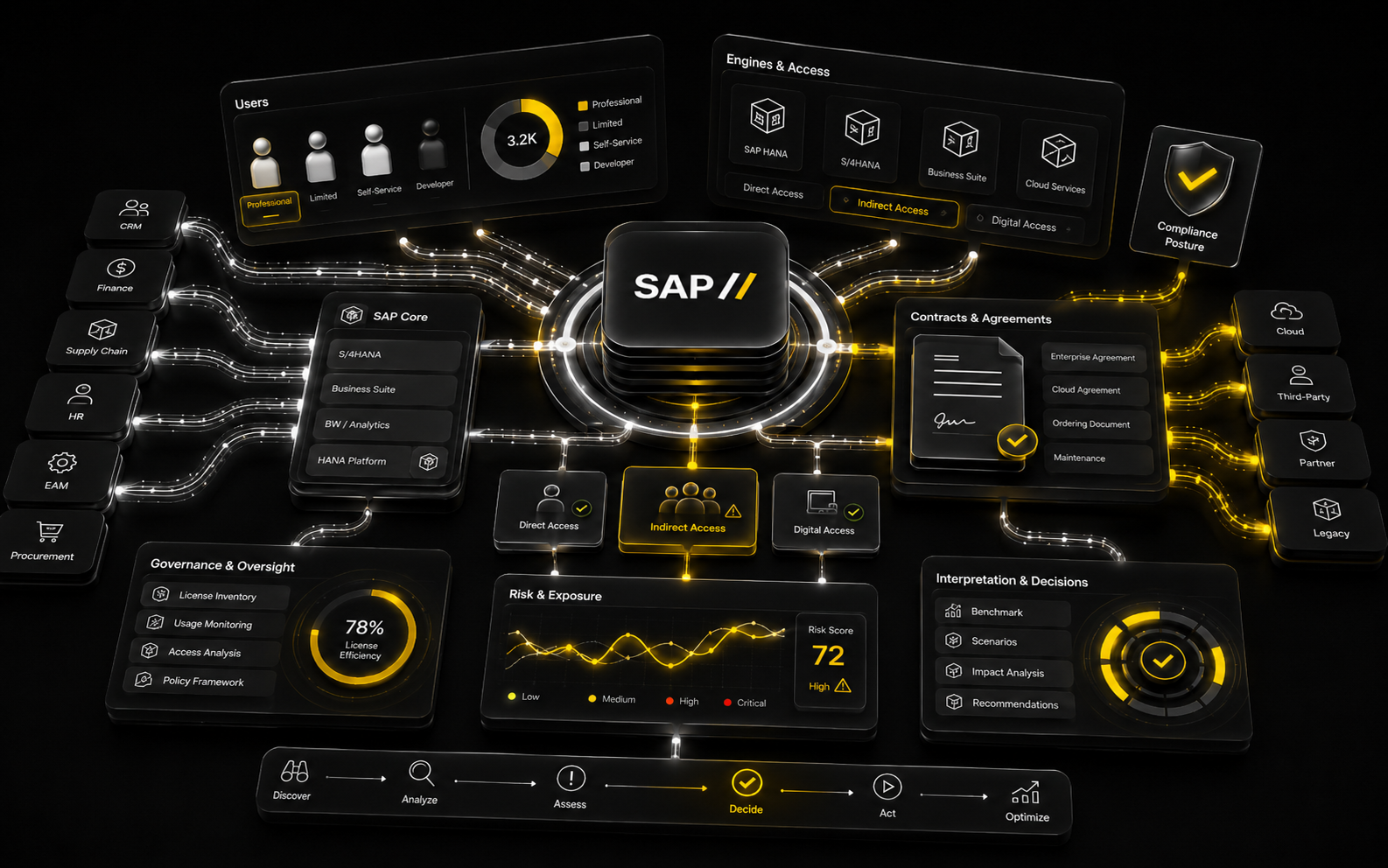
SAP Licensing Complexity Explained: The Areas That Matter Most
A practical overview of SAP complexity across named users, digital access, indirect use, engine metrics, and support governance.

ITAM Tools Landscape 2026: What to Evaluate and Why
A 2026 view of the ITAM tools landscape, organized by the capabilities that matter most: discovery, SaaS management, cloud cost, optimization, governance, and integrations.
Need help turning insight into action?
The exchange is built to help teams structure the problem first—then engage the right expertise.